
WATER NEWS
Water is Life Event – what healthy water means to us all – May 19
May 18th, 2012The False Creek Watershed Society, Village Vancouver, and others are hosting a free forum at the Roundhouse Community Centre in Yaletown this Saturday afternoon on urban streams and ... More »
Archives by Month
- May 2012
- April 2012
- March 2012
- February 2012
- January 2012
- December 2011
- October 2011
- July 2011
- June 2011
- May 2011
- April 2011
- March 2011
- February 2011
- January 2011
- December 2010
- November 2010
- October 2010
- September 2010
- August 2010
- July 2010
- June 2010
- April 2010
- March 2010
- February 2010
- January 2010
- December 2009
- November 2009
- October 2009
- September 2009
- July 2009
- June 2009
- May 2009
- April 2009
- March 2009
- February 2009
- January 2009
- December 2008
- November 2008
- October 2008
- August 2008
- July 2008
- May 2008
- April 2008
- March 2008
- February 2008
- January 2008
- December 2007
- November 2007
- October 2007
- September 2007
- August 2007
- June 2007
Vancouver Water
-
Water is Life Event – what healthy water means to us all – May 19
Friday, May 18th, 2012The False Creek Watershed Society, Village Vancouver, and others are hosting a free forum at the Roundhouse Community Centre in Yaletown this Saturday afternoon on urban streams and water flows, water quality and ecological health. Check it out.
-
Add Your Voice – NO Oil Tankers, NO Enbridge Pipline
Tuesday, May 1st, 2012
Pipeline Map – thanks to Western Wilderness Committee
- The Alberta tar sands are the largest environmental disaster of our times.
- Vancouver (and British Columbia) are being used as the gateway to China and the U.S. for this dirty tar sands oil.
- Notice the growing number of oil tankers skulking under the Lion’s Gate bridge.
- Super tankers, 3 times the size of the ill-fated Exxon Valdez, within our city’s waterways, Vancouver’s centrepiece.
- Plans are under way to triple this tanker traffic going through Vancouver’s busy harbour.
- This radically increases the odds of an unfathomable environmental accident right on our doorstep.
- Look at the impact an oil spill would have on your health and our local economy, not to mention the environment.
- We can STOP this.
- SPEAK UP for clean energy, clean air, clean water, clean oceans, healthy forests and healthy people.
- STOP the Enbridge Pipeline and say NO to tankers in Vancouver’s harbour.
Things you can do…- Inform your family, friends and colleagues.
- Sign the NO TANKERS petition
- Stop the proposed Enbridge Northern Gateway pipeline.
- Support the City of Vancouver’s Anti-Tankers Resolution.
- Support First Nations initiatives to protect our watersheds.
- Add your signature to 10,000 supporting ‘Save the Fraser Declaration’.
- Donate to the Western Wilderness Committee and Lead Now.
- Watch this inspired event.
-
Twin Tunnels Launch Delayed to 2014
Saturday, April 28th, 2012Twin tunnels, each more than 7km in length and almost 4 metres in diameter, have been bored through the base of Grouse Mountain to send water from the Capilano Reservoir to the Seymour Filtration Plant.
This $820 million project was originally scheduled for completion in 2009. Fraught with delays, the tunnels are still not in service. Consequently, unfiltered water from Capilano Reservoir that supplies tap water to western Metro Vancouver during the summer, remains too murky to use in the winter months. The latest projected completion date and start-of-service using the Twin Tunnels is now 2014.
- Cross Section of Tunnels. Image from Metro Vancouver online publication about the Seymour Capilano Filtration Project
-
Did Your Tap Water Change…on April 18?
Saturday, April 28th, 2012If you live or work in Vancouver, western North Vancouver, western Burnaby or Richmond (see map) the answer is probably…Yes.
Since September 2011, your tap water has been coming from the Seymour Filtration Plant because the Capilano reservoir was closed for the winter season. Winter rains wash excessive dirt and sediment into the Capilano reservoir, making the water murky and too difficult to disinfect effectively.
On April 18, 2012, Metro Vancouver put the unfiltered Capilano reservoir back in service. You may have noticed a change in the clarity of your water in the week following this change, as did Metro Vancouver. Heavy rains at the end of April stirred up so much sediment that the Capilano reservoir was temporarily taken back out of service.
According to an official at Metro Vancouver’s water quality department, a decision is being made on May 7, 2012 about when to re-open the Capilano reservoir for summer use. Turbidity levels of tap water from the 3 reservoirs (Capilano, Seymour and Coquitlam) are posted daily on the front page of the Vancouver Sun and on Metro Vancouver’s website.
What this means for you
If you receive your tap water from the Capilano reservoir in the summer months (approximately April/May to September), you may notice that your water is not as clear during this period.
If your water is coming from the Capilano reservoir, the pH of your tap water may drop below 7 to the acidic side of the pH scale.
Lime is added to water coming from the Seymour reservoir after it passes through the Seymour Filtration Plant. This raises the pH to make tap water slightly alkaline. The reason why Metro Vancouver makes this pH adjustment is because acidic water is corrosive. By making tap water slightly alkaline, water supply lines last longer with fewer leaks. Leaching of heavy metals is also minimized when tap water pH is above 7.Impact on water filter performance
If you use a good quality water filter, you may find that the water flow though your filter slows down more rapidly in the summer months due to elevated sediment levels (turbidity) in your tap water that may clog the filter. Similarly, shower filters may lose their ability to reduce chlorine more quickly during this summer period. Filter cartridges should be changed if this slow down occurs.
Future changes to your water
If you live or work in western Metro Vancouver, you can expect your tap water supply to switch back and forth, seasonally, between Capilano Reservoir and the Seymour Filtration plant until the Twin Tunnels that join these two sources are finally put into service. This is now anticipated to happen in early 2014.
All tap water in Metro Vancouver is chlorinated
Chlorine is introduced to all tap water in Metro Vancouver, regardless of whether it comes from the Capilano or Coquitlam reservoirs, or from the Seymour Filtration Plant. The purpose of adding chlorine to our tap water is to disinfect it.
-
Tunnels, Troubles and Your Tap Water: $820 Million Hangs in the Balance
Sunday, January 29th, 2012Is the Seymour Filtration Plant, completed December 2009, delivering filtered water to your tap year-round, during the rainy season only, or not at all? The answer depends on where you live and/or work, and how much longer this delayed and over-budget project will take to finish.
Swollen budget, delayed delivery
Although the Seymour Filtration Plant is completed, it is just one component of Metro Vancouver’s Seymour-Capilano Filtration Project. Unforeseen difficulties prolonged the boring of twin tunnels (each more than 7km in length and almost 4 metres in diameter) through the base of Grouse Mountain. These tunnels still need to be lined and hooked up. Their intended purpose is explained below.The budget for this massive yet-to-be-completed project has swollen from $600 million to $820 million. Fraught with difficulties, the original 2009 completion date has been pushed back to 2013. Read on to find out what this means for you.
Know your source water*
Metro Vancouver supplies water to 18 municipalities** from 3 wilderness reservoirs in the North Shore Mountains – Capilano, Seymour and Coquitlam (see second map). Water from snowmelt and rain runoff is captured in these reservoirs.- Seymour (yellow) reservoir typically supplies eastern Burnaby, South Surrey & western New Westminster.
- Capilano (purple) reservoir normally supplies western North Vancouver, Vancouver, Richmond & western Burnaby. See exception below.
- Coquitlam (green) reservoir supplies Port Coquitlam, Pitt Meadows, Maple Ridge, Langley, eastern New Westminster & Coquitlam. Its water is treated with ozone and chlorine and is not part of the Seymour-Capilano Filtration Project.
Delivered by gravity
Because these 3 reservoirs are situated at higher altitudes, gravity is the most cost-effective means to deliver water downhill to your municipality (see purple, yellow & green areas on map). Typically, your water will come from the reservoir above (directly north of) your municipality (rather than cross-pumping from another reservoir). The exception is the Capilano area (purple).Water quality challenges close Capilano reservoir during winter months
Until the Seymour-Capilano Filtration Project is completed (2013?), those of us in the purple area will get unfiltered Capilano water (via gravity) during the summer months and filtered Seymour water (via cross-pumping) during the winter months (approximately late September to late April). The geological conditions surrounding the Capilano reservoir introduce an excessive amount of sediment into the water in the winter rainy season. This condition is called turbidity.Why Twin Tunnels?
The tunnels are Metro Vancouver’s intended answer to this Capilano water quality dilemma. When completed, one of these tunnels will pump water from the Capilano reservoir to be filtered at the Seymour Filtration Plant. Once filtered, the other tunnel will shunt water back to the Capilano reservoir for downhill (gravity) distribution to the Capilano (purple) area.Chlorine added to all sources
No matter which reservoir your water comes from, chlorine is added before water is sent into the distribution system.Seymour water filtered then chlorinated
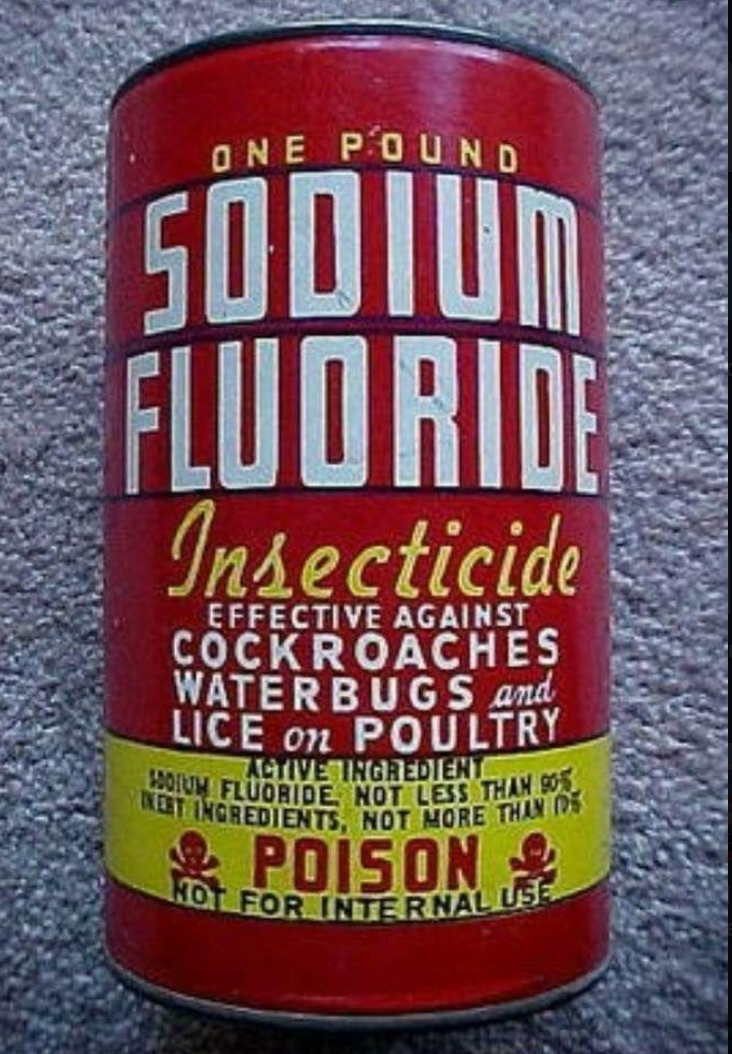
The Seymour Filtration Plant uses a process called coagulation and flocculation to remove sediment from the incoming source water. Water then goes through a massive UV (ultra violet) treatment ‘gallery’. (See photo) Finally, chlorine is added before sending the finished water into the distribution network.Fortunately, fluoride is NOT added to water in Metro Vancouver.
If you own a home in the Metro Vancouver area and want to control the quality of your tap water with water filters specifically for your local water condtions, read details here and here.
If you rent your home in Metro Vancouver, find countertop options here and here.*The colour coding referred to in this article is based on the 2006 map supplied courtesy of Metro Vancouver. Delineations are not precise and changes may have occurred since the map was created. To verify the source of your water, contact your municipality’s water quality department.
**The 18 municipalities to which Metro Vancouver supplies water are as follows:
Anmore
Bowen Island
Burnaby
Coquitlam
Delta
Langley (City)
Langley (Township)
Maple Ridge
New Westminster
North Vancouver (City)
North Vancouver (District)
Pitt Meadows
Port Coquitlam
Port Moody
Richmond
Surrey
Vancouver
West Vancouver***The aerial view of Seymour-Capilano Water Utility Projects (with red scematic overlay) and the Cross-section of the Twin Tunnels are from Metro Vancouver’s online publications about the project.


Connect with us